How to Drain a Water Heater in Prescott, AZ
Knowing how to drain a water heater in Prescott helps clear the mineral sediment that settles in the tank. Turn off the power or gas, let the water cool, close the cold supply, run a hose from the drain valve, open a hot faucet, flush until clear, then refill fully before restarting. If anything leaks or will not open, call to be connected with a local provider.
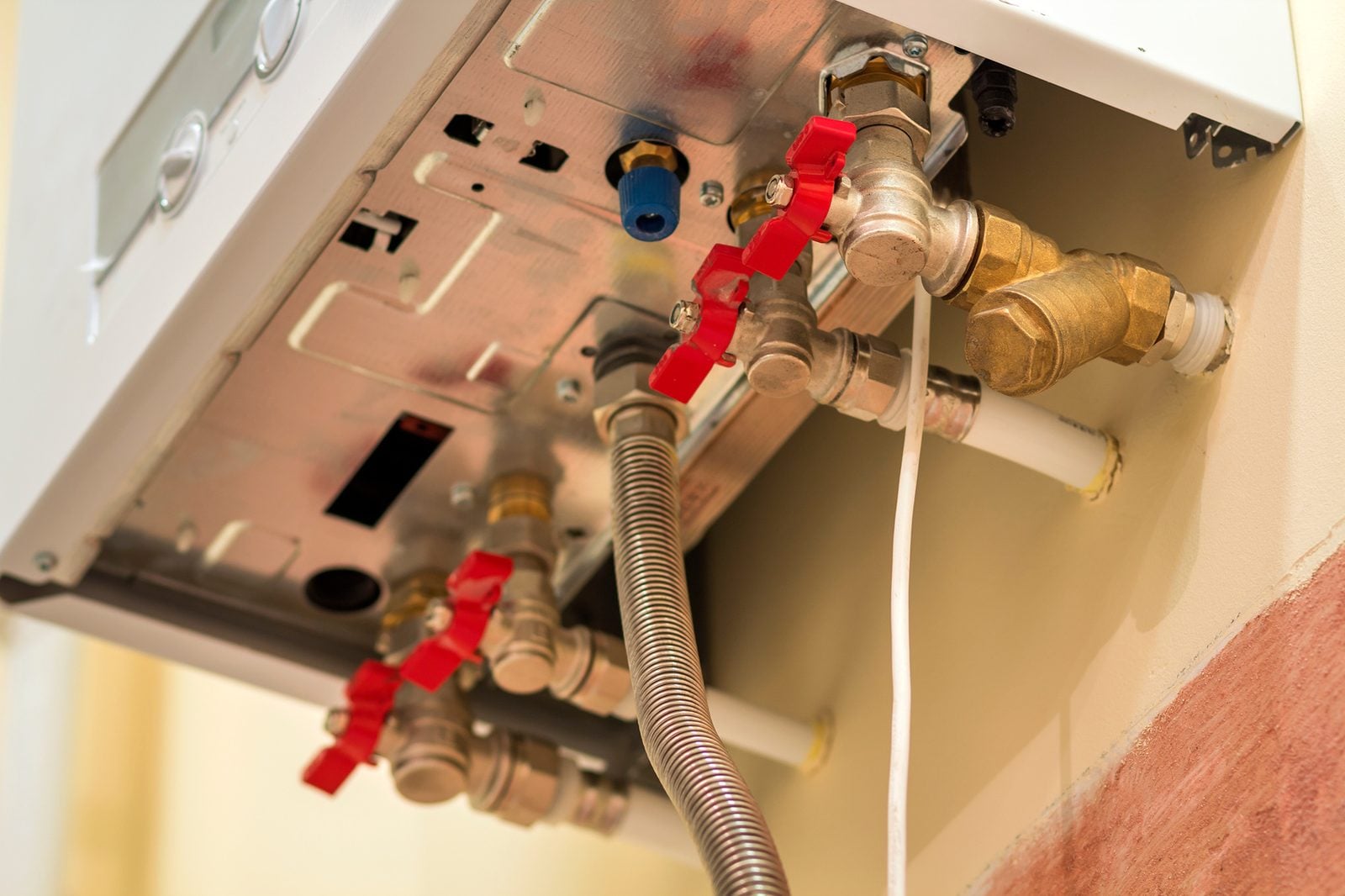
- Always turn off the power or set the gas control to off or pilot before draining. An electric element that heats an empty tank can burn out.
- Let the water cool for a few hours first. Water at the bottom of the tank can scald skin.
- Open a hot water faucet in the house while draining so air can enter and the tank empties smoothly.
- Refill the tank completely, with a hot faucet running until water flows steadily, before turning the heat back on.
- Prescott's water quality report for reporting year 2022 describes city water as moderately hard, averaging 75 to 130 ppm.
How to drain a water heater in Prescott: what are the steps?
To drain a water heater in Prescott, shut off the heat source, let the water cool, close the cold water supply valve, attach a garden hose to the drain valve, open a hot faucet, open the drain valve, flush until the water runs clear, then close the valve and refill the tank before turning the heat back on.
- Turn off the heat. For an electric heater, switch off its breaker. For a gas heater, turn the gas control knob to off or pilot.
- Let it cool. Wait a few hours, or overnight, so the water is no longer scalding.
- Close the cold supply. Turn the valve on the cold water pipe above the tank to closed.
- Connect a hose. Screw a garden hose onto the drain valve near the bottom of the tank and run it to a floor drain, a driveway or a spot outside that slopes away from the house.
- Open a hot faucet. A sink faucet upstairs or nearby lets air into the system.
- Open the drain valve. Turn it slowly with a flat screwdriver or by hand, and let the tank empty.
- Flush. Briefly open the cold supply a few times to stir up sediment, until the water from the hose looks clear.
- Close and refill. Close the drain valve, remove the hose, open the cold supply, and leave the hot faucet open until water flows without sputtering.
- Restart. Turn the breaker back on, or relight or reset the gas control following the label on the heater.
Why should you drain or flush a water heater?
You drain or flush a water heater to remove the sediment that settles at the bottom of the tank. Minerals in the water slowly fall out as the water heats, and a thick layer can cause popping or rumbling noises, slower heating and less hot water than the tank should hold.
Sediment can also clog the drain valve itself, which is why a heater that has never been flushed sometimes will not drain at all.
Flushing does not fix a tank that is already leaking. See water heater repair for what a leak can mean.
How often should you drain a water heater?
Many manufacturers suggest flushing a tank water heater about once a year. Homes with harder water, or heaters that already make popping noises, may benefit from flushing more often. Check the manual or the label on your heater, since the maker's instructions come first.
A simple checklist helps:
- Pick a time each year, such as early fall.
- Test the drain valve. If it is stiff or weeps, plan for a replacement.
- Note how much grit comes out. More grit means flush sooner next time.
Need help now? Call to be connected with a local provider in Prescott who can check availability for your address.
What do you need before you drain a water heater?
You need a garden hose long enough to reach a safe drain point, a flat screwdriver or pliers for the drain valve, a bucket, gloves, towels and a flashlight. Know where the breaker or gas control is, and where the cold supply valve sits above the tank.
Before you start, check these points:
- Where the water goes. Hot or warm water should not go onto plants or lawns, and it should flow away from the foundation.
- The drain valve type. Many heaters have a plastic drain valve that can crack if forced. Turn it gently.
How do you drain a water heater safely, gas or electric?
Drain a gas or electric water heater safely by turning off the heat first, waiting for the water to cool and keeping the hose secured where hot water cannot splash anyone. The key difference is how you turn the heater off and back on.
- Electric: switch off the breaker before draining. Do not turn it back on until the tank is completely full, or the heating elements can burn out in seconds.
- Gas: turn the gas control to off or pilot. After refilling, follow the lighting instructions on the heater's label. If you smell gas at any point, stop, leave the area and call your gas utility from outside.
- Tankless: these do not drain like a tank. They are descaled with a pump and a cleaning solution through service valves, following the maker's manual.
Why won't my water heater drain?
A water heater usually will not drain because sediment has clogged the drain valve, the cold supply is closed with no air getting in, or the hose is kinked. Open a hot faucet in the house first, then check the hose for kinks before trying anything else.
If the flow is still weak:
- Close the drain valve, disconnect the hose, and briefly open the cold supply to push water through the valve and loosen grit.
- Do not poke hard objects into a plastic valve. It can crack and leave you with a tank that will not stop draining.
A valve that is fully blocked, or one that drips after you close it, often needs to be replaced. That is a good point to call.
When should you stop and call instead of draining it yourself?
Stop and call when the drain valve breaks or will not close, the tank itself is leaking, the water comes out rusty every time, you smell gas, the pilot will not relight, or the temperature and pressure relief valve is dripping. These signs point to problems beyond a routine flush.
Other reasons to call:
- Loud popping or rumbling that continues after a full flush
- No hot water after refilling and restarting, even though power or gas is on. See no hot water? what to check first.
- A heater that is old and showing several of these signs at once. The guide on water heater repair vs. replacement walks through that choice.
Call (928) 212-9822 to be connected with a local provider who can check availability for your address.
What happens during the visit?
During the visit, the provider inspects the water heater, drain valve, supply valves, venting and relief valve, explains what they found and your options, and gives you a written quote before any work begins. You decide whether to go ahead.
- Inspection: they look at the tank, the drain valve, the connections and the area around the heater for signs of leaks or corrosion.
- Options explained: a flush, a new drain valve, a part repair, or a discussion about replacement if the tank is failing.
- Written quote: you get the scope in writing before work starts.
Before they arrive, leave the heater off if it is leaking, close the cold supply valve, take photos of any water on the floor and clear a path to the heater.
Draining a water heater in Prescott, Prescott Valley and Chino Valley
Prescott's water quality report for reporting year 2022 describes city water as moderately hard, averaging 75 to 130 ppm, which equals 4.3 to 7.6 grains per gallon. The City produces its water from seven production wells drilled into the aquifer underlying the Little Chino Sub-Basin. Minerals in that water settle in a tank over time. In Prescott Valley, the town's report lists a July 2024 hardness result of 123 ppm for the main town system.
Timing matters at this elevation. Prescott sits at about 5200 feet, according to NOAA, and University of Arizona Cooperative Extension puts the 50% chance of the first fall freeze at Oct 13. UA Extension also says temperatures below zero occur on average on one or two mornings in every other winter. If your heater is in a garage, plan the flush on a mild day, and never leave a drained tank or a hose full of water in freezing weather.
If the cold supply above the heater is stuck, use the home's main shut-off. The City of Prescott says customer shut-off valves are usually located behind the City's meter box, and only City personnel may operate the City meter shut-off. Homes in Chino Valley, Dewey-Humboldt and Paulden follow the same steps.
Related pages
Questions people ask
How do I drain a water heater myself without making a mess?
Turn off the power or gas, let the water cool, close the cold supply, and run a garden hose from the drain valve to a floor drain or outside. Open a hot faucet, then open the drain valve slowly and watch the hose end the whole time.
Do I need to turn off the water heater before draining it?
Yes. Switch off the breaker for an electric heater or set a gas heater to off or pilot. Heating an empty tank can damage the elements or the heater.
Can I drain my water heater while the water is still hot?
It is not safe. Hot water can scald skin and soften a garden hose, so let it cool for a few hours or overnight first.
What is the difference between draining and flushing a water heater?
Draining empties the tank. Flushing runs fresh water through it, often in short bursts, to stir up and wash out the sediment on the bottom.
Why is my water heater not draining even with the valve open?
The drain valve is likely clogged with sediment, or no air is getting into the tank. Open a hot faucet, check the hose for kinks, and briefly open the cold supply to push grit through the valve.
Why do I need to open a hot water faucet when draining a water heater?
An open hot faucet lets air into the system. Without it, a vacuum forms and the tank drains slowly or stops.
Why is my water heater making popping noises?
Popping or rumbling usually comes from sediment on the bottom of the tank, where water trapped under the grit boils. A flush often helps, but noise that continues after flushing should be looked at.
What should I do if the drain valve on my water heater won't close?
Leave the hose connected and running to a safe drain, keep the cold supply closed, and keep the heat off. A valve that will not seal needs to be replaced, so call to be connected with a local provider.
Is it safe to turn the power back on right after refilling the water heater?
Only after the tank is completely full. Leave a hot faucet open until water flows steadily without sputtering, then restore power or relight the gas.
How often should I flush my water heater in Prescott?
Many manufacturers suggest about once a year. Prescott city water is described as moderately hard, so a yearly flush is a reasonable habit; check your heater's manual for its schedule.
Does hard water in Prescott make a water heater need draining more often?
It can. Minerals in the water settle as sediment, and Prescott's report describes its water as moderately hard, averaging 75 to 130 ppm. If a lot of grit comes out each time, flush more often.
Can I drain my water heater in winter in Prescott?
Yes, but pick a day above freezing if the heater or hose is in a garage or outside. Do not leave a hose full of water or a drained tank sitting in freezing weather.
How do I drain a water heater in a vacant cabin near Prescott before winter?
Turn off the power or gas, shut off the water to the home, then drain the tank fully and leave the drain valve and a hot faucet open. Follow the maker's instructions and check the rest of the plumbing for freeze protection too.
Where is the main water shut-off for my house in Prescott?
The City of Prescott says customer shut-off valves are usually located behind the City's meter box. Only City personnel may operate the City meter shut-off itself.
Should a renter in Prescott drain the water heater or ask the landlord?
Ask the landlord first. Arizona's Department of Insurance and Financial Institutions advises renters to check with their landlord before any repair work begins.
How do I check a plumbing contractor in Arizona before they work on my water heater?
Use the Arizona Registrar of Contractors' online contractor search. Ask for a written quote that lists the work before it starts.
Talk to someone about your plumbing problem
Call to be connected with a local provider who can check availability for your address and explain the next step.