No Hot Water? What to Check
Before you assume the water heater is finished, there are a few safe checks that explain a surprising share of cold showers. Prescott Emergency Plumber runs through them in order, and then the point where it becomes a plumber's job.
- Plumbing Referral Service
- Independent Pros
- Availability Varies
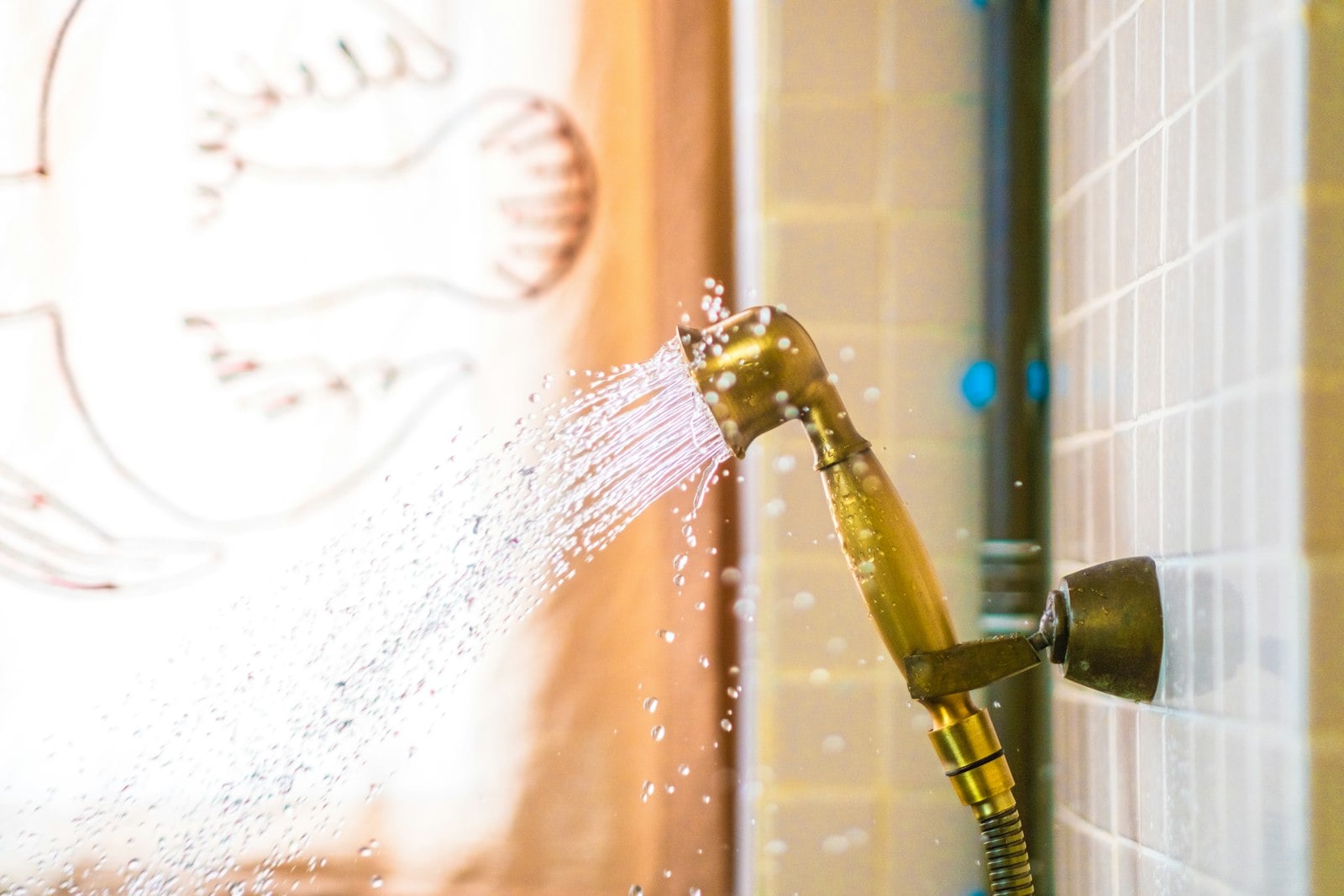
Is It the Whole House or One Faucet?
This is the first question and it saves people a lot of money. Run the hot tap at a different sink, ideally in another part of the house. If every hot tap is cold, the heater or its supply is the problem. If only one fixture is cold while everything else is fine, the heater is almost certainly healthy and the fault is at that fixture: a failed mixing cartridge, a scaled-up valve or a supply line that has been closed at the angle stop.
Also check whether you have some hot water but not enough. Hot that runs out after a few minutes is a different fault from hot that never arrives, and it usually points to sediment in the tank, a failed lower heating element or a broken dip tube rather than a heater at the end of its life.
Electric Units: Breaker, Reset, Then Stop
On an electric heater, start at the panel. A tripped breaker is common and worth resetting once. If it trips straight back, stop and call, because something is drawing current it should not be.
The other check is the high-temperature reset button behind the upper access panel, a small red button that pops out when the unit overheats. Pressing it back in is the limit of safe homeowner work, and only when the breaker is off first. If it pops again, an element or a thermostat has failed and the unit needs testing. Do not remove elements, do not probe wiring, and never open an access panel with the power on.
Gas Units: Pilot, Gas Supply, and a Firm Rule
On a gas heater, look through the sight window or the viewing port at the base. No flame at all means the pilot is out or the igniter has failed. Many modern units have a sealed combustion chamber and an electronic igniter, and the instructions printed on the tank explain the relight sequence for that specific model. Follow those, not memory.
The firm rule: if you smell gas at any point, stop, leave the building and call the gas utility from outside. Do not relight anything, do not operate switches and do not go back in to try again. A pilot that keeps going out is usually a failing thermocouple, and that is a part replacement rather than a repeat relight.
Tankless Units: Read the Code
A tankless heater that produces cold water usually has something to tell you. Look at the display or the remote controller for an error code, write it down and check it against the manual. Codes in the ignition and flame-sensing range point at gas supply or combustion, while codes in the scale and flow-sensor range usually mean the heat exchanger is coated and the unit is protecting itself.
Groundwater in this region is hard, and hard water is the main reason tankless units in Yavapai County need descaling more often than their manuals assume. If yours cuts to cold part-way through a shower, drops out when two fixtures run at once, or has started throwing scale-related codes, a descale is the usual first step rather than a replacement.
Cold Weather Makes Everything Look Worse
At this elevation the incoming water is genuinely cold for months, which means the heater has to lift it further to reach the same shower temperature. A unit that kept up comfortably in July can look undersized in January without anything having failed. A tank in an unheated garage or an outbuilding has an even harder time, because it is fighting the room as well as the demand.
Vacant homes add their own version. In the seasonal properties around Mayer and the foothills, a heater that has stood cold and empty over winter should be filled completely before the power or gas goes back on, because firing a dry tank damages it immediately. If you are reopening a house, do that step slowly and in order.
When to Stop Checking and Call
Call rather than continue if you see water anywhere around the base of the tank, if the breaker trips more than once, if the pilot will not stay lit, if the relief valve is discharging, if the water is rusty from the hot side only, or if you smell gas at all. Those are not DIY territory, and a leaking tank in particular tends to get worse quickly rather than slowly.
Arrange an Inspection
Ask the independent plumber to test the unit rather than swapping parts hopefully, and to confirm the price before any work starts. See what a visit covers on our water heater repair page, weigh the decision on the repair or replacement comparison, or get connected. If there is water on the floor as well as no hot water, start with leak detection.