Finding out what actually failed
A jam, a tripped reset, a dead switch, a failed motor and a leak at the sink flange all look similar from above the counter. The unit is isolated and checked before anything is taken apart.
A disposal that hums without turning, trips off every time you use it or drips into the cabinet below is a small job that turns into a wet floor if it is left. An independent plumber can work out whether the unit is jammed, worn out or leaking at a joint unrelated to the motor; ask what the fix costs before work starts.
Before you call, switch the unit off at the wall switch and, if it is on a plug under the cabinet, unplug it. Press the small reset button underneath once. Never put your hand into the chamber, and never reach in with the power on or the plug in, even if the switch is off. Tongs get a lost spoon or a bottle cap out safely; fingers do not.
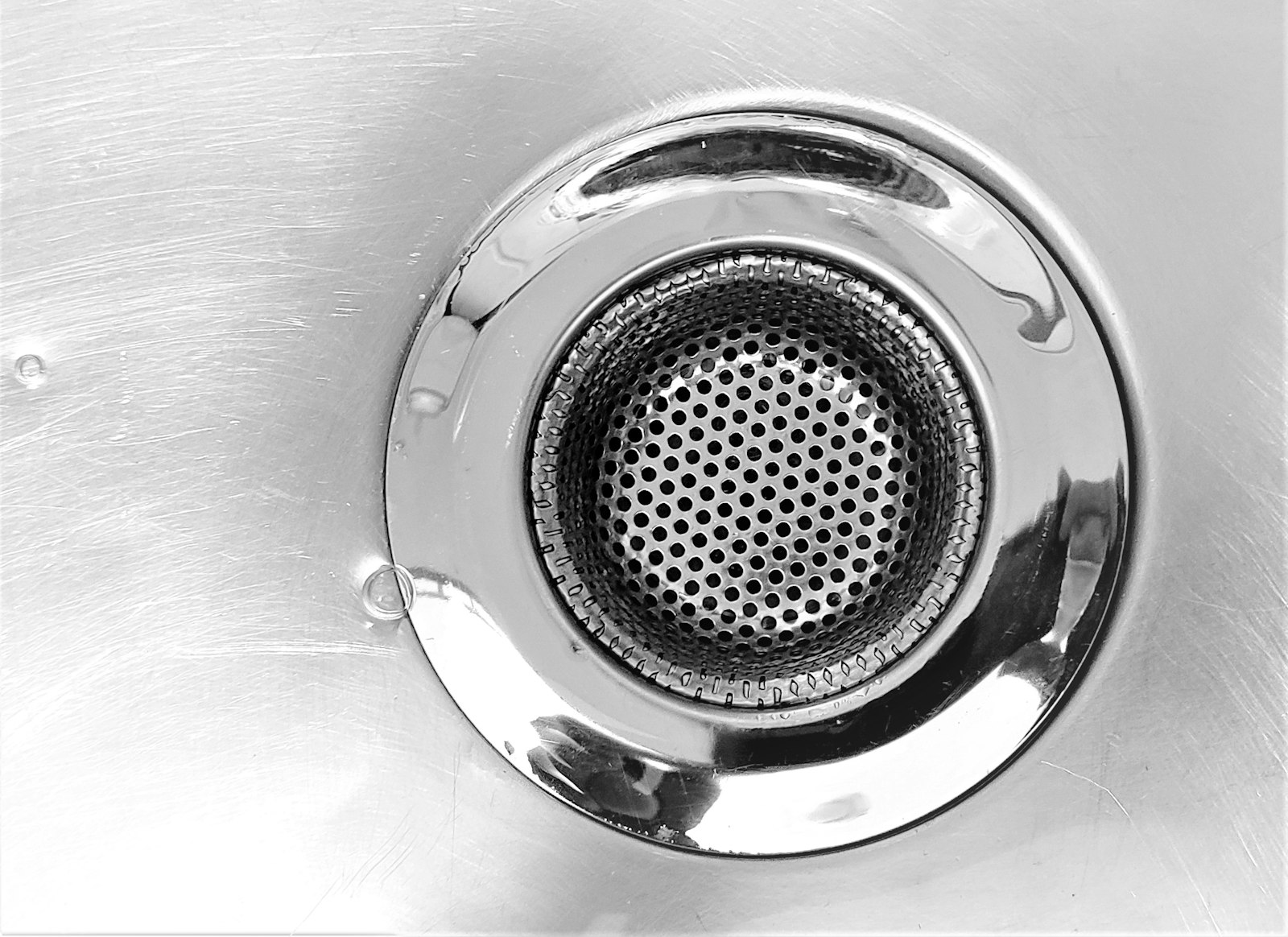
A jam, a tripped reset, a dead switch, a failed motor and a leak at the sink flange all look similar from above the counter. The unit is isolated and checked before anything is taken apart.
Jams get freed at the base and the object removed. Drips get traced to the flange at the sink, the dishwasher inlet or the discharge tube, and the failed seal or gasket gets replaced rather than smeared over.
A jam, a worn seal or a bad switch is worth repairing. A cracked body, a seized motor or a unit that leaks from the shell itself is finished; ask the provider for the price of fitting a new one before work starts.
Most disposal problems end one of three ways. Something hard is wedged against the grinding plate, and freeing it brings the unit straight back to life. A joint is leaking rather than the appliance, so the sink flange, the dishwasher connection or the discharge elbow is resealed and the unit stays. Or the motor itself has given up, in which case a replacement is the honest answer, because rebuilding a disposal costs more than fitting one that will last. Old units also get quieter and slower over time, and that is wear rather than a fault you can repair.
What goes down the drain decides how often this happens. Coffee grounds, eggshells, rice and pasta, potato peel, fibrous vegetables, bones, grease and fat are the usual culprits, and grease is the one that does damage well past the disposal by cooling and coating the pipe further along. Run cold water before, during and after, and keep the disposal for scraps rather than using it as a way to empty a plate. Hard groundwater around here also leaves mineral deposits in the chamber and on the drain fittings, which is part of why an older unit drains more slowly than it used to.
If the sink still backs up once the disposal itself is working, the blockage is in the pipework and drain cleaning is the next step. If several fixtures are affected at once, see sewer line repair instead. Drips under the cabinet are often the faucet or the supply lines rather than the disposal, which is covered on our toilet and faucet repair page. The same repair-or-replace reasoning for appliances is set out on the comparison page, and the full list is on the services page.
That is almost always a jam. The motor is getting power but the plate cannot move, usually because a bone, a bottle cap or a piece of cutlery is wedged at the edge. Turn the switch off and leave it off, because running it while it hums can burn the motor out. An independent plumber can clear the jam and check for any damage.
No. Never put a hand into the chamber, even with the switch off, and never while it is plugged in or the breaker is on. Use tongs or long pliers to lift out anything you can see, and call rather than improvise if it will not come free. Call the number to reach an independent plumber.
It depends where the water is coming from. A leak at the sink flange, the dishwasher inlet or the discharge tube is a seal and worth fixing. Water coming from the body of the unit itself means the shell has corroded through and no seal will help, so replacement is the answer. Ask the provider which one it is, and the price, before work starts.
Grease and cooking fat first of all, because they harden further down the line, plus coffee grounds, eggshells, rice, pasta, potato peel, stringy vegetables and bones. Run cold water while it works and for a few seconds afterwards. If the line beyond the unit is already slow, drain cleaning is what clears it.
Call and describe whether it hums, trips out or drips to be connected with a provider.