What to Do When a Pipe Bursts
The first few minutes decide how much of this becomes a repair bill. This guide walks through what to do in order, what is safe to touch and what to leave for the plumber.
- Plumbing Referral Service
- Independent Pros
- Availability Varies
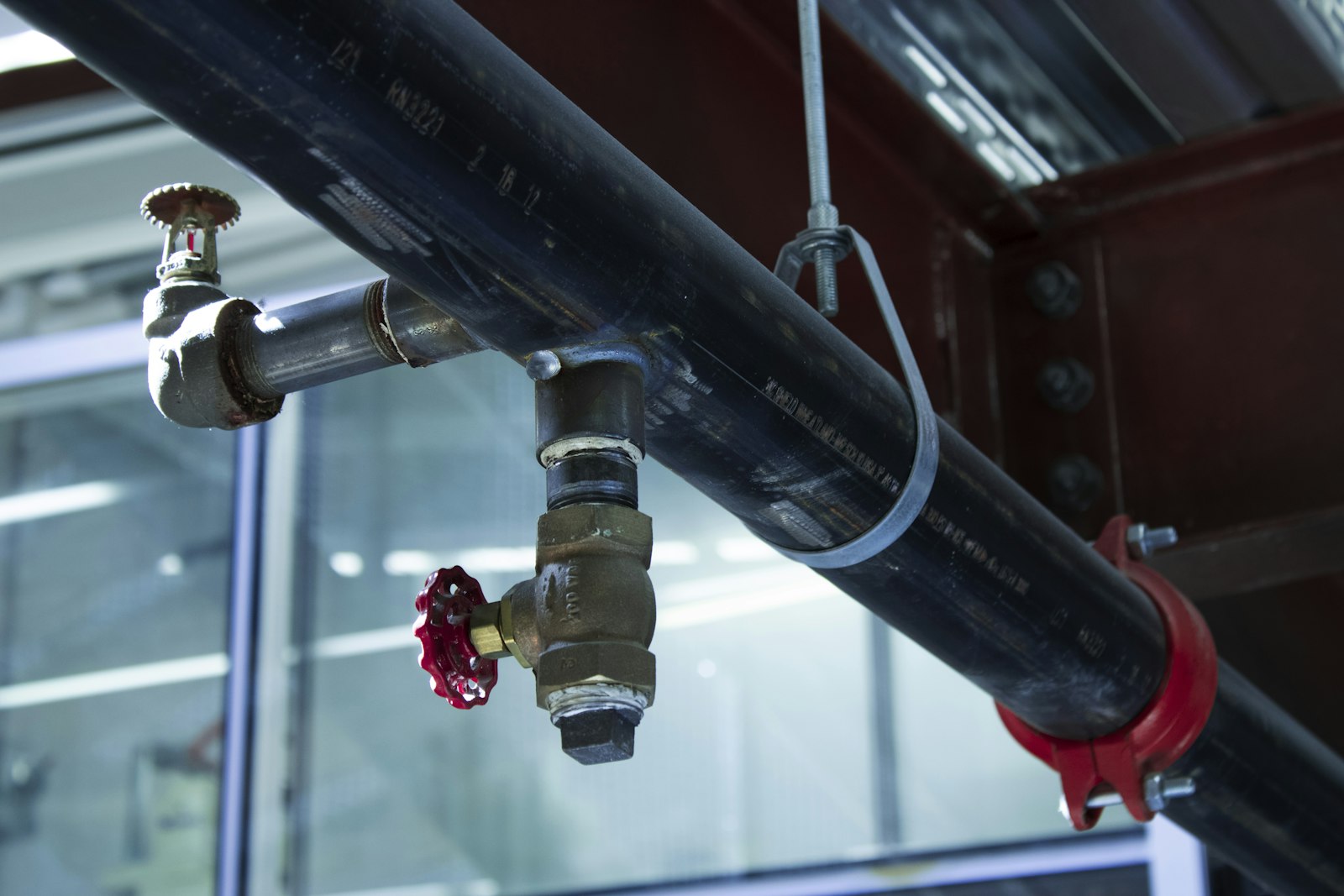
Turn the Water Off First
Everything else can wait. A supply line under pressure keeps delivering water for as long as it stays connected, so the most useful thing you can do is close a valve. Start with the nearest one: most toilets and sinks have a small shutoff on the wall or inside the cabinet, and turning it clockwise isolates that fixture on its own. If the leak is not at a fixture, go to the main.
In most homes around Prescott the main shutoff is where the supply line enters the building. Look near the water heater, close to a softener loop, in a utility closet or on the inside face of an exterior wall. Properties on town water also have a valve in the meter box near the street, which needs a meter key, a cheap tool worth owning before you need it. If your house runs on a private well, the equivalent moves are closing the valve at the pressure tank and switching off the breaker for the pump, which stops anything refilling the line.
Whichever valve you use, turn it slowly. If it will not move, stop. Old valves shear, and a broken main is a much bigger problem than the leak you started with.
Then Deal With the Electricity
Water and wiring is where people get hurt. Do not walk through standing water that sits near outlets, an electrical panel, a washer, a dryer or a furnace. Do not plug in a shop vacuum or a fan to start drying a room that still has water across the floor. If water is coming through a ceiling light or a fan, treat that circuit as live and dangerous and keep everyone out of the room.
If your panel is dry, easy to reach and nowhere near the water, switching off the affected circuit is reasonable. If getting to it means crossing a wet floor, leave it. The same logic applies to a gas water heater: turning its gas control to off is fine when the control is dry and within easy reach, but if you smell gas at all, leave the building first and call the gas utility from outside.
Limit the Damage You Can Reach Safely
Once the water is off and the electrical risk is handled, start protecting things. Move rugs, boxes, electronics and furniture legs off wet flooring. Open cabinet doors under a sink that has been leaking so the cavity can dry. Put towels at doorways to slow water spreading into carpeted rooms. If water is dripping steadily from a ceiling and the drywall is sagging or bulging, stay out from under it, because a ceiling holding water comes down in one heavy piece rather than gradually.
Write Down What Happened
While you wait, note the details the plumber will ask for. What were you doing when it started? Was there a bang, a hiss or nothing at all? Which fixtures still have water and which do not? Did it follow a freezing night, or the first hot shower after the house stood empty? Photographs of the wet area, the ceiling stain and anything you moved are worth taking now, for the repair and for any claim you make later.
What Not to Try
Do not attempt to cut, cap or tape a pressurized line. Clamps and tape sold as emergency fixes are for holding a pipe briefly under supervision, not for leaving overnight. Do not remove a section of pipe to look inside it. Do not pour anything down a drain that is backing up at the same time, and do not run appliances to see whether the problem has cleared, because that only adds water. If a pipe is frozen rather than split, never use a torch, a heat gun or any open flame on it. Those start fires in crawl spaces and can split the pipe outright.
Why Pipes Fail Around Prescott
Three causes account for most burst pipes up here. Freezing is the big one. At more than a mile above sea level this is genuinely cold country in winter, and hose bibs, crawl spaces, unheated laundry rooms, well houses and any run of pipe along an exterior wall are where the splits happen. The worst cases are houses nobody was in: a cabin in Groom Creek or a part-time home left with the water on and the heat down can run for days before anybody opens the door.
Age and corrosion come second, especially in older houses near the downtown historic district where original galvanized supply pipe narrows and thins from the inside until a pinhole opens. Third is material failure without any weather involved: polybutylene supply lines fitted in a lot of homes from the 1980s and early 1990s go brittle with age and split at fittings, which is why one failure in a house of that era is worth treating as a warning about the rest.
Arrange an Inspection
Once the water is off, the job is finding the break and repairing it properly. An independent plumber can do both; agree the price before anything is cut. Start with burst pipe repair for what the visit covers, read about leak detection if the loss was slow rather than sudden, or call a plumber now. If the failed line runs inside a concrete floor, see slab leak repair for how that one is handled.