How to Unclog a Toilet in Prescott, AZ
Learning how to unclog a toilet in Prescott starts with stopping the water: close the supply valve behind the toilet, then use a flange plunger with a firm seal and steady pushes. If that fails, a toilet auger usually clears it. If several drains back up at once, call to be connected with a local provider.
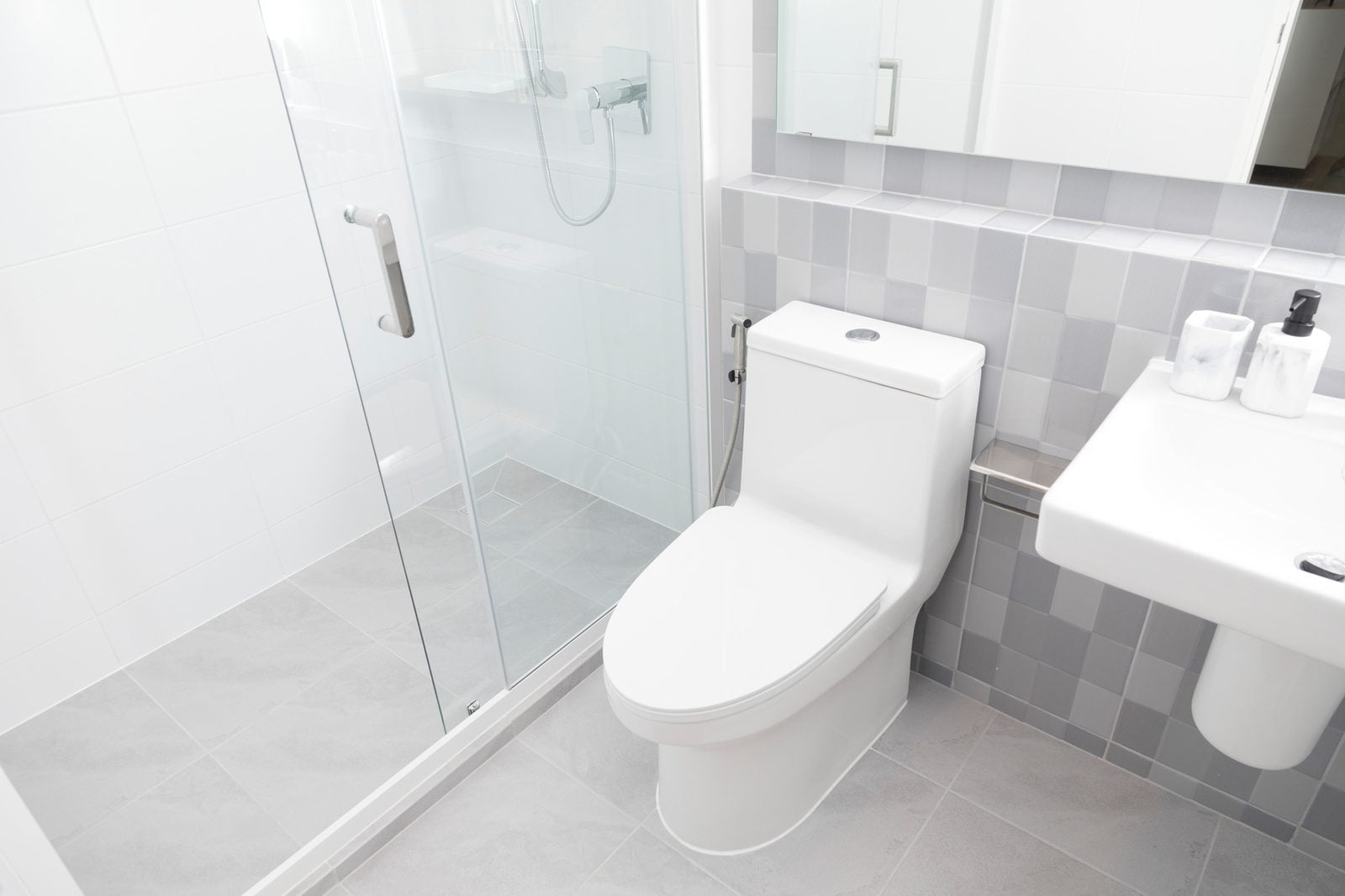
- Most toilet clogs sit in the curved trap inside the toilet and clear with a flange plunger or a toilet auger.
- Close the small supply valve behind the toilet before a second flush, so the bowl cannot overflow.
- Avoid chemical drain cleaners in a toilet; they can splash, damage parts and make the next repair riskier.
- If a toilet, tub and floor drain back up together, the problem is likely in the main drain or sewer line, not the toilet.
- The City of Prescott says the customer's responsibility for water and pipes begins after the meter.
What to do first
- Do not flush again. Close the supply valve on the wall behind the toilet by turning it clockwise.
- If the bowl is still rising, lift the tank lid and push the flapper down to stop more water from entering the bowl.
- Lay old towels around the base and move rugs, bath mats and anything on the floor out of the way.
- Put on rubber gloves, and keep children and pets out of the bathroom.
- If water is coming up in a tub or floor drain too, stop using all water in the house and call to be connected with a local provider.
How to unclog a toilet in Prescott: what are the steps?
To unclog a toilet in Prescott, stop the water first, then plunge, then use a toilet auger if plunging fails. Most clogs are toilet paper, wipes or a small object stuck in the curved trap inside the bowl, and they clear in a few minutes with the right tool and a little patience.
- Stop the water. Close the supply valve behind the toilet and do not flush again.
- Check the water level. If the bowl is nearly full, bail some into a bucket. If it is empty, add warm tap water until the plunger cup is covered.
- Plunge with a flange plunger. Seal it over the drain opening and push and pull steadily 15 to 20 times.
- Test gently. Open the supply valve, then lift the flapper a little by hand to let some water in. If the level drops normally, flush once while watching.
- Use a toilet auger if two or three rounds of plunging do not work.
- Call if the auger cannot reach the clog or other drains are backing up.
Which plunger works on a toilet, and how do you use it?
A flange plunger, the kind with a soft rubber sleeve that folds out from the bottom of the cup, works on toilets. A flat cup plunger is made for sinks and tubs and rarely seals in a toilet bowl, so most of the force escapes around the edges.
Tips that make plunging work:
- Fold the flange out and fit it into the drain hole at the bottom of the bowl.
- Make sure the cup is under water. Pushing air does little; pushing water moves the clog.
- Start with a slow first push to push out trapped air, then use firm, even strokes in and out.
- Keep the seal for 15 to 20 strokes before lifting off to check.
How do you unclog a toilet without a plunger?
Without a plunger, try dish soap and hot tap water first. Squirt a good amount of dish soap into the bowl, wait 10 to 15 minutes so it can coat the clog, then pour in a bucket of hot tap water from waist height. The soap and the weight of the water can loosen soft clogs made of paper.
Use hot tap water, not boiling water. Very hot water poured into a cold porcelain bowl can crack it, and that turns a small clog into a toilet replacement. This method will not move solid objects like toys, a phone case or a toothbrush. For those, a toilet auger or a plumber is the safer choice, because pushing hard objects deeper can lodge them in the drain pipe.
Need help now? Call to be connected with a local provider in Prescott who can check availability for your address.
When should you use a toilet auger?
Use a toilet auger, also called a closet auger, when plunging has not worked or when you know something solid went down. It is a short cable inside a bent tube with a rubber sleeve that protects the bowl, and it reaches the trap where most clogs hide.
- Pull the cable back so only the tip shows.
- Set the bent end in the drain opening with the sleeve against the porcelain.
- Crank the handle clockwise while pushing gently. Let the cable feed itself around the bend.
- When you feel resistance, keep cranking to hook or break up the clog, then pull the cable back out slowly.
Plunge once more afterward to flush the pieces through. If the auger hits the end of its cable and the toilet still will not drain, the blockage is past the toilet. That points to the branch drain or the main line, which is a job for a provider with longer cables and a camera. Learn more on our drain cleaning page.
What should you never pour into a clogged toilet?
Avoid chemical drain cleaners in a toilet. They are made for sink and tub drains, and in a clogged toilet they sit in the bowl instead of reaching the clog. If you then plunge, the liquid can splash onto skin and eyes, and some products can harm wax seals, older pipes or septic systems.
Also avoid:
- Mixing products. Never combine drain cleaners, bleach or ammonia. Mixing can release harmful fumes.
- Boiling water, which can crack the bowl.
- Flushing again and again to force the clog. Each flush adds water to a bowl that cannot drain.
Is it a toilet clog or a sewer line problem?
A clog is probably in the toilet if only that toilet is slow and every sink, tub and shower in the house drains normally. It is likely in the main drain or sewer line if several fixtures are slow at once, if water bubbles up in the tub when the toilet flushes, or if water rises in a floor drain or a lower shower.
Other signs of a main line problem:
- Sewage odor near a cleanout or floor drain
- Toilets that clog again within days of being cleared
When those signs show up, stop using water and do not keep plunging. Plunging cannot clear a blocked sewer line, and it can push wastewater out of the lowest drain. See sewer line repair and our guide to a clogged drain or sewer line problem.
When should you call a plumber for a clogged toilet?
Call a plumber in Prescott when the toilet stays clogged after plunging and an auger, when a hard object is stuck, when the toilet rocks or leaks at the base, or when more than one drain is backing up. Those problems point past the bowl, and forcing them can crack the toilet or spread wastewater.
It also makes sense to call when:
- The toilet is the only one in the house and you cannot wait
- The toilet runs, overflows or leaks after the clog clears (see toilet and faucet repair)
- Water reached flooring, drywall or a ceiling below
Call (928) 212-9822 to be connected with a local provider who can check availability for your address.
What happens during the visit?
During the visit, the provider inspects the toilet and the drain, explains what they found and the options, and gives you a written quote before any work begins. You decide whether to go ahead.
- Inspection: they check the bowl, trap, wax seal and nearby drains, and ask what went down and what you already tried.
- Explanation: they tell you whether the clog is in the toilet, the branch drain or the main line.
- Written quote: you get the scope in writing before work starts.
Before they arrive, keep the supply valve closed, take photos of any water on the floor, and clear a path to the bathroom and any outdoor cleanout.
How can you keep a toilet from clogging again?
Most repeat toilet clogs come from what goes into the bowl. Flush only toilet paper and human waste, and keep a small trash can with a lid next to every toilet.
- Skip "flushable" wipes. Many do not break apart the way toilet paper does.
- Never flush paper towels, cotton swabs, dental floss, cat litter, grease or medicine.
- Keep a flange plunger in every bathroom, so a small clog never sits long.
- Pay attention to slow flushes. A toilet that drains slowly week after week may have buildup or a partial blockage further down.
Toilet clogs in Prescott, Prescott Valley and Chino Valley
Prescott sits at about 5200 feet elevation at the north end of the Bradshaw Mountains, according to NOAA, and cold nights shape plumbing here. University of Arizona Cooperative Extension puts the 50% chance of Prescott's first fall freeze at Oct 13 and its last spring freeze at May 12, based on records from 1922 to 2022. If a toilet will not fill or drain on a freezing morning, the cause may be ice in a supply line or vent rather than a clog, so do not keep plunging or flushing.
Prescott's water quality report for reporting year 2022 describes city water as moderately hard, averaging 75 to 130 ppm, or 4.3 to 7.6 grains per gallon. Mineral buildup can collect in toilet rim holes and jets over time, which weakens the flush. A weak flush moves less waste, so cleaning the rim holes can help a toilet that clogs often.
The City of Prescott says the customer's responsibility for water and pipes begins after the meter, and customer shut-off valves are usually located behind the City's meter box. If a clog turns into an overflow you cannot stop at the toilet valve, that is the valve to close. Homes in Prescott Valley, Chino Valley, Dewey-Humboldt and Williamson Valley follow the same steps. If your home is on a septic system, avoid chemical cleaners and tell the provider when you call.
Related pages
Questions people ask
What is the quickest way to unclog a toilet in Prescott?
A flange plunger is usually the quickest fix. Close the supply valve behind the toilet, make sure the cup is under water, seal it over the drain and plunge firmly 15 to 20 times before checking.
How to unclog toilet without a plunger?
Try dish soap and hot tap water. Add a good squirt of dish soap, wait 10 to 15 minutes, then pour in a bucket of hot tap water from waist height. Use hot tap water, never boiling water, which can crack the bowl.
Should I keep flushing a clogged toilet to push the clog through?
No. Each flush adds water to a bowl that cannot drain, which is how overflows happen. Close the supply valve and plunge instead.
How do I stop my toilet from overflowing right now?
Turn the supply valve behind the toilet clockwise until it stops. If the bowl is still rising, lift the tank lid and press the flapper down to keep more water out of the bowl.
Is it safe to use drain cleaner in a toilet?
It is not a good idea. Chemical cleaners can splash when you plunge, can harm seals and older pipes, and can be risky for a septic system. Try a plunger or toilet auger first.
My kid flushed a toy. How do I get it out of the toilet?
Stop flushing and do not plunge hard, which can push the toy deeper. Try a toilet auger to hook it. If you cannot reach it, the toilet may need to be pulled, so call to be connected with a local provider.
Why does my toilet clog every time I flush?
Repeat clogs often mean too much paper, wipes in the line, an object stuck in the trap, or buildup further down the drain. If clearing the toilet only helps for a few days, have the drain line checked.
Why is water coming up in my bathtub when I flush the toilet?
That usually means the main drain or sewer line is blocked, not the toilet. Stop using water in the house and call to be connected with a local provider, because plunging will not clear it.
How do I know if my main sewer line is clogged in Prescott?
Watch for several drains backing up at once, gurgling after a flush, water rising in a tub or floor drain, and sewage odor. Any of these with a clogged toilet points to the main line.
Can cold weather in Prescott cause toilet problems?
Yes. Prescott sits at about 5200 feet, and a frozen supply line or vent can stop a toilet from filling or draining normally. If it happens on a freezing morning, do not keep flushing.
Does hard water in Prescott make toilets clog more?
It can weaken the flush. Prescott's 2022 report calls city water moderately hard, and mineral buildup in the rim holes and jets reduces flushing power, which makes clogs more likely.
Where is the main water shut-off for my house in Prescott?
The City of Prescott says customer shut-off valves are usually located behind the City's meter box. Only City personnel may operate the City meter shut-off itself.
Is a clogged toilet a plumbing emergency?
It is when it is your only toilet, when it keeps overflowing, or when other drains are backing up too. A single slow toilet with other bathrooms working can usually wait for a scheduled visit.
Will the plumber tell me the price before unclogging my toilet?
Yes, ask for it. The provider should inspect, explain the options and give a written quote before starting any work, and you decide whether to go ahead.
Should a renter in Prescott unclog the toilet or call the landlord?
Simple plunging is usually fine, but check your lease. For anything beyond a plunger, or if water damaged the floor, tell your landlord before any repair work begins.
Talk to someone about your plumbing problem
Call to be connected with a local provider who can check availability for your address and explain the next step.